Tuesday, 1 November 2011

Panoramic photography

We had a play around in class this week - panoramic photography and using stitching AKA photomerge in Photoshop. Here are the results:

The college canteen - taken with my super wide angle Sigma 10-20mm lens which has distorted the image resulting in a fisheye effect f/9 1/16 sec ISO 1600
Corrected using the transform > warp tool in Photoshop to flatten the bench

The funky lights in the library which change colour every few seconds - I didn't think this would work but it recognises  the shapes enough to merge the photographs despite the changing colours f/9 1/64 sec ISO 1600

Edited using the S-curve in Photoshop

Expanded using the warp tool and content-aware fill tools and edited saturation levels

Tuesday, 25 October 2011

Portraiture

Over the half term break we've been asked to think about portraiture. I am a bit gutless when it comes to portrait photography; I have hundreds of pictures of my cat batting her eyes at me and not much else. I looked around for some inspiration and came across some interesting photographs:

Anneke James - fashion photographer based in Leicester
I love the gritty location and the cloned subject - need to learn more about Photoshop before I attempt this but I've all sorts of ideas and locations whirring around my head...

'Portraying Kate Moss, a study in conversation' - Corinne Day
I love the honesty of these shots. It doesn't matter to me that it was Kate Moss, who Corinne had famously photographed as a child for The Face (1990) - it could have been anyone and been just as intriguing. Corinne sadly passed away last August aged just 48. Her work is incredible; take a look.

Picaso by Cory Smith - Orlando based specialist in creative portraiture and military photojournalism
Little bit in love with this - the light, the composition, the idea... just need some willing models... preferably a couple or this would just be weird!

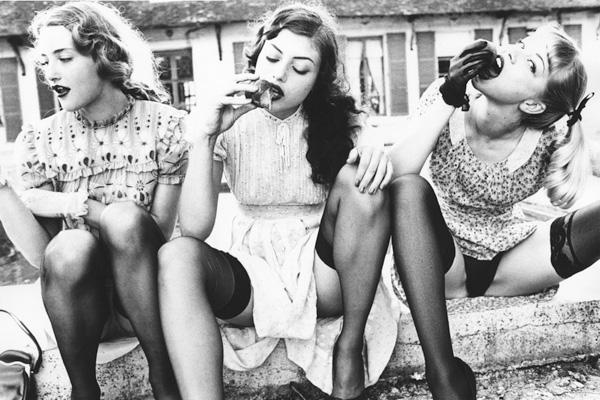
Last and definitely not least, I'm fascinated by model turned photographer Ellen Von Unwerth's work - it's a tad risqué (some of it is very risqué) but the shock factor is a huge part of what makes your eyes stick to her photographs. They're graphic and gritty but they're absolutely beautiful too. Here are a few of my favourites:


Raaaa! Food for thought...

Short courses

Just a quick note for my course mates to let you know about a couple of short courses coming up over the next few weeks...

  • Manchester Academy of Photography are running a course on the use of light in photography this Saturday 29th October - Peter Richardson who runs the class let me know there are still places available. I did an intro to digital photography class with Peter a couple of years ago - he's a brilliant tutor.
  • Cornerhouse are holding a photography workshop on multiplicity and meaning (nope, I'm not sure what that means either...!) from 12-13th November
Sadly I can't make either of these but if you do go, enjoy!

Photographer's dilemma

Since I have taken photography more seriously and started to learn new skills, I've struggled with this dilemma:

Does post processing destroy the ethos of photography?

Digital post processing can certainly encourage a lazy approach to photography with the power of camera RAW. Certain features of someone’s face are permanent; part of who they are but often airbrushed away. Equally, photographs you wouldn't look twice at in their original format are often transformed by post processing.

Some photographers regard post processing as photographic heresy... I've not made my mind up yet but I find it hard to rule post processing out completely when it can come to the rescue of an image like this:

Before - the bright, overexposed sky has been 'blown out' due to the darker tones across the majority of the image

After - the wonders of post processing (thank you Dave for teaching me what that strange little wand tool is all about...!)

But what do you think?

Monday, 17 October 2011

Landscape photography

We were set the task of shooting a few landscapes this week, so I headed off to Lyme Park and into Manchester with my Sigma 10-20mm lens... here are the results:

Lyme Park - ISO 200 10mm f/4 1/1000 sec

Lyme Park - ISO 400 10mm f/22 1/8 sec

Lyme Park - ISO 400 10mm f/9 1/15 sec

Lyme Park - ISO 400 10mm f/9 1/80 sec

Roman fort, Castlefield - ISO 200 18mm f/22 1/16 sec

Beetham Tower, Manchester - ISO 200 10mm f/22 1.3 sec
Finally, this is my favourite landscape shot taken in the most beautiful place I have ever been - the Erawan National Park in Thailand:


Sunday, 16 October 2011

Magical landscapes

This week we're looking at landscape photography. I love taking landscape shots but I know I've a lot to learn... here are a few of my favourite landscape shots by some incredible professional types:

Tom Nicholls took this at Harrop Tarn in the Lake District with a Sigma 10-20mm lens. I have this very lens! Sadly I am not Tom Nicholls... something to aspire to though

Michael Kenna grew up in Widnes and now lives in Seattle. His work is amazing and he has exhibited all over the world. I love this shot of the Manhattan skyline.


Richard Harris - 'A Day at the Beach' - Woolacombe, North Devon


Tomas Utsi - aurora borealis (the northern lights) - amazing

I'm a bit obsessed with the northern lights and although it's not photography-related I just wanted to share the following video. I can't stop watching it; it's magical:

RRRAW - first foray into Photoshop

This week I took my first ever shots in RAW and there's no going back... 4,000 brightness levels versus 256 is a no-brainer but the resulting file size is going to play havoc with my trigger happy tendencies. Methinks I might need to purchase an enormo-memory card.

I've always had an issue with Photoshop. I can tinker with contrast, brightness and saturation levels but I reckon I only understand about 1% of what it can do. There are too many windows, toolbars, buttons, sub-buttons hiding inside other buttons... it scares me.

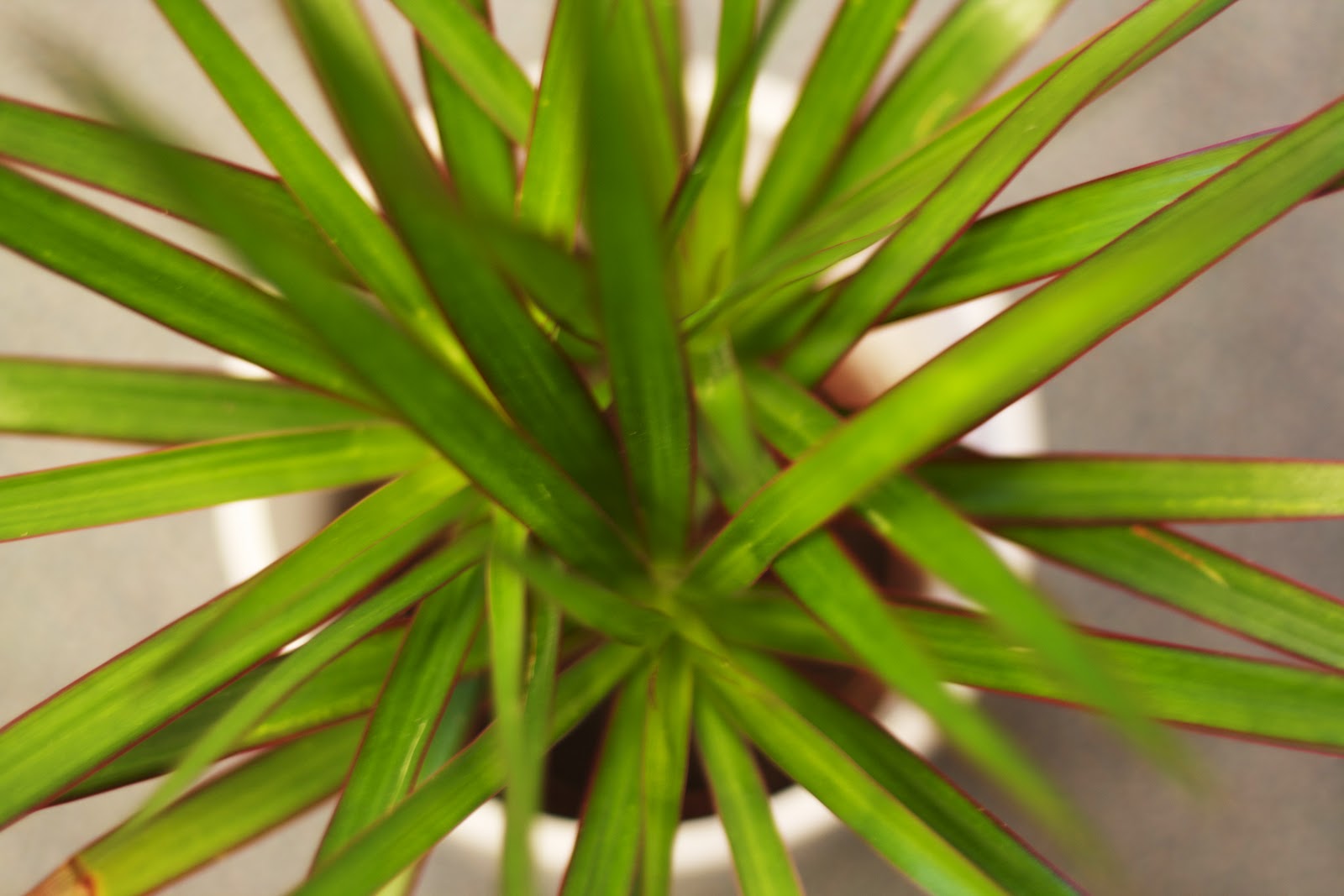
I planned to get out on campus and take some dramatic wide angle RAW shots of the Whitworth Building but Manchester did what it does best ALL week so I'm afraid I ended up with a pot plant instead.

This week's class was a real eye-opener for me. Here's the results of manipulating the RAW image in Photoshop:

Applying an s-curve accentuates the highlights and lowlights

A more extreme s-curve creates a retro feel

Playing around with saturation levels, picking up on the red edges of the plant

As before but this time picking up on the green in the image

Just for fun ;)